Get Immunoglobulins Direct From the Source
First-milking, never fractionated whole colostrum with 400+ bioactive nutrients — from USDA Grade A grass-fed dairies.
When it comes to immune defense, few components are as crucial as immunoglobulins— specialized proteins your body produces to identify and neutralize pathogens. Bovine colostrum is exceptionally rich in these protective antibodies, offering a natural way to support your immune system year-round.
In this comprehensive guide, we'll explore the science of immunoglobulins, understand how they work to protect your health, and discover why colostrum is one of nature's most concentrated sources of these vital immune compounds.
What Are Immunoglobulins?
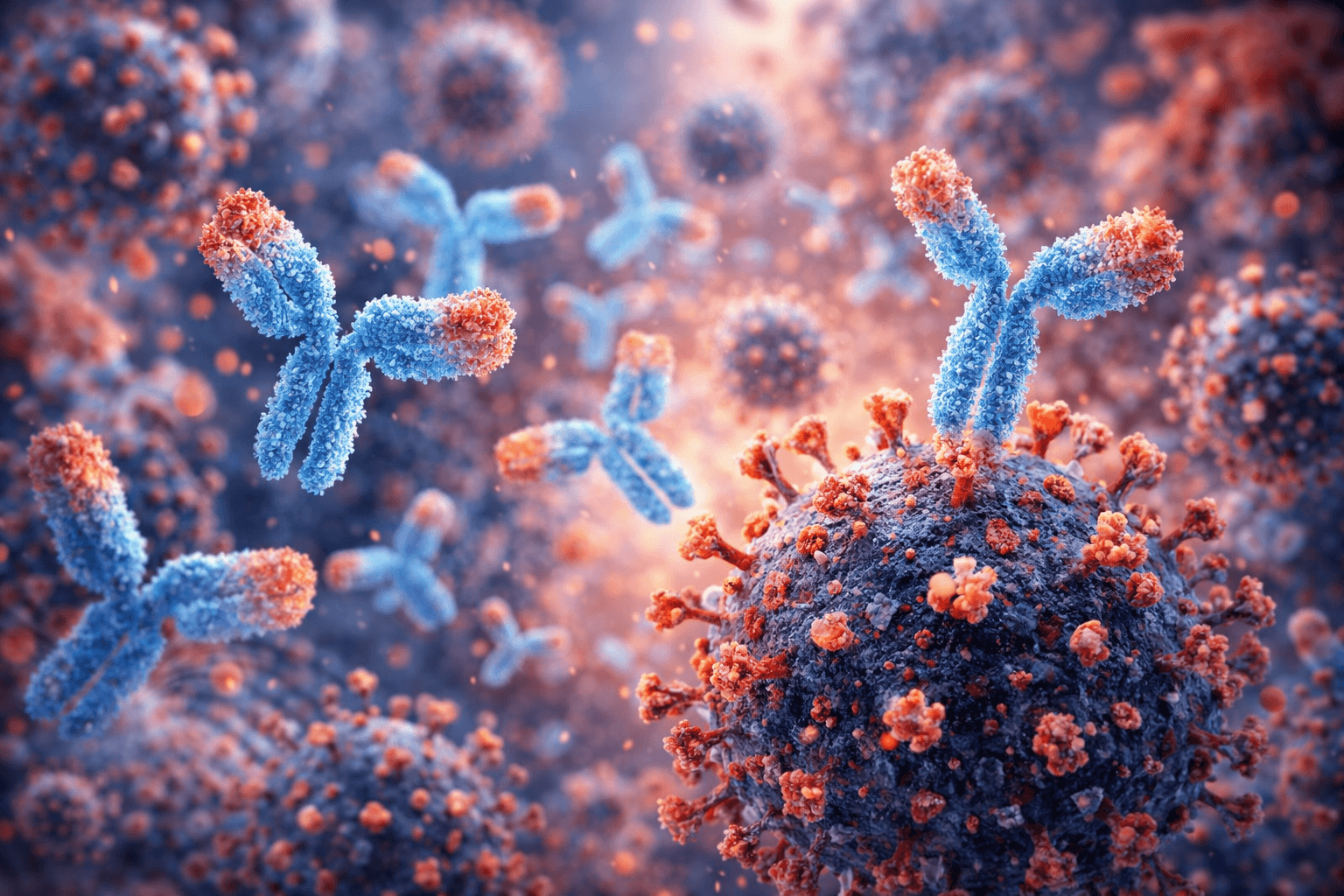
Immunoglobulins, also known as antibodies, are Y-shaped proteins produced by your immune system's B cells. They serve as your body's targeted defense mechanism, recognizing and binding to specific foreign substances (antigens) such as bacteria, viruses, toxins, and allergens.
Think of immunoglobulins as highly specialized security guards, each trained to recognize and neutralize specific threats. When they encounter their target, they tag it for destruction by other immune cells or directly neutralize its harmful effects.
The Five Classes of Immunoglobulins
Your body produces five main types of immunoglobulins, each with distinct roles:
IgG (Immunoglobulin G)
Primary Role: Long-term immunity and protection
Characteristics: Most abundant antibody (75-80% of total), provides lasting immunity, crosses placental barrier, neutralizes toxins and viruses
Found In: Blood, extracellular fluid, and colostrum (highest concentration)
IgA (Immunoglobulin A)
Primary Role: Protection of mucosal surfaces
Characteristics: Guards respiratory and digestive tracts, prevents pathogen attachment, neutralizes toxins at entry points
Found In: Saliva, tears, breast milk, mucous membranes, and colostrum
IgM (Immunoglobulin M)
Primary Role: First responder to new infections
Characteristics: Largest antibody, produced first during immune response, excellent at agglutinating pathogens
Found In: Blood and lymph fluid
IgE (Immunoglobulin E)
Primary Role: Allergic responses and parasite defense
Characteristics: Triggers histamine release, involved in allergic reactions, protects against parasitic infections
Found In: Blood (lowest concentration of all antibodies)
IgD (Immunoglobulin D)
Primary Role: B cell activation and regulation
Characteristics: Least understood antibody, appears to help activate B cells, involved in immune system signaling
Found In: Blood (very low concentration)
How Immunoglobulins Protect You
Immunoglobulins employ several sophisticated mechanisms to defend your body:
1. Neutralization
Antibodies bind to pathogens or toxins, blocking their ability to infect cells or cause harm. This is particularly important for preventing viral infections and neutralizing bacterial toxins.
2. Opsonization
By coating pathogens with antibodies, immunoglobulins "tag" them for destruction by phagocytic cells (macrophages and neutrophils). This process, called opsonization, dramatically enhances the immune system's ability to clear infections.
3. Agglutination
Multiple antibodies can bind to multiple pathogens simultaneously, clumping them together. This makes it easier for immune cells to engulf and destroy large numbers of invaders at once.
4. Complement Activation
When antibodies bind to pathogens, they can activate the complement system—a cascade of proteins that directly destroys invaders and amplifies immune responses.
Colostrum: Nature's Immunoglobulin Powerhouse
Bovine colostrum is one of the richest natural sources of immunoglobulins, particularly IgG. This concentration makes sense from an evolutionary perspective: colostrum is designed to provide newborn calves with immediate immune protection before their own immune systems fully develop.
Immunoglobulin Content in Colostrum
- IgG: 50-100+ grams per liter (highest concentration)
- IgA: 3-5 grams per liter
- IgM: 3-5 grams per liter
- Total immunoglobulins: Can exceed 25% of total protein content
Key Insight: First-milking colostrum collected within 6 hours of birth contains the highest concentration of immunoglobulins. Quality matters significantly when choosing colostrum supplements.
Benefits of Colostrum Immunoglobulins
The immunoglobulins in colostrum provide several distinct advantages for human health:
1. Passive Immunity Support
Colostrum immunoglobulins provide immediate, "borrowed" immunity against a wide range of pathogens. This passive immunity doesn't require your immune system to produce its own antibodies, offering rapid protection.
2. Gut Immune Defense
IgG and IgA antibodies in colostrum remain active in the digestive tract, where they:
- Neutralize harmful bacteria and viruses
- Prevent pathogen attachment to intestinal walls
- Support healthy microbiome balance
- Reduce inflammatory responses in the gut
3. Broad-Spectrum Protection
Because cows are exposed to numerous environmental pathogens, bovine colostrum contains antibodies against many common human pathogens, providing broad-spectrum immune support.
4. Immune System Education
Exposure to colostrum immunoglobulins may help "train" your immune system to recognize and respond to threats more effectively, particularly in the gut-associated lymphoid tissue (GALT).
Studies have shown that bovine colostrum immunoglobulins can survive passage through the stomach and remain biologically active in the intestinal tract, where they provide immune protection and support gut health.
The Science: Research on Colostrum Immunoglobulins
Research published in the Journal of Applied Physiology found that colostrum immunoglobulins significantly enhanced immune function in athletes during intense training periods, with measurable increases in salivary IgA levels.
A study in Clinical & Diagnostic Laboratory Immunology demonstrated that bovine colostrum IgG antibodies remained stable and functional after passing through the acidic environment of the stomach, maintaining their protective properties in the intestines.
Multiple studies have shown that colostrum supplementation can help maintain healthy immune function during periods of physical stress, with immunoglobulin content being a key contributing factor.
Who Can Benefit from Colostrum Immunoglobulins?
- Athletes & Active Individuals: Supporting immune function during intense training
- Frequent Travelers: Enhanced immune defense in new environments
- Those with Weakened Immunity: Additional immune support during recovery
- Seasonal Health Challenges: Year-round immune system maintenance
- Digestive Health Seekers: Gut immune support and microbiome balance
- Aging Adults: Supporting immune function as we age
- General Wellness: Preventive immune support for everyday health
Maximizing Immunoglobulin Benefits
Optimal Usage Guidelines
- Dosage: 2-4 grams daily for general immune support, up to 8 grams for intensive support
- Timing: Best taken on an empty stomach for maximum absorption
- Consistency: Daily use provides cumulative benefits
- Quality: Choose colostrum from first milking, with verified immunoglobulin content
Quality Indicators
Look for colostrum supplements that specify:
- Minimum 25-30% immunoglobulin content
- First-milking collection (within 6 hours)
- Low-temperature processing to preserve antibody activity
- Third-party testing for purity and potency
- Grassfed, hormone-free sources
TBR Labs Colostrum: Our full-spectrum, first-milking whole colostrum retains the complete immunoglobulin profile—IgG, IgA, and IgM—through gentle low-temperature processing. Sourced from USDA Grade A grass-fed dairies and third-party tested for potency. Available in powder, capsule, and chewable tablet forms.
Beyond Immunoglobulins: Colostrum's Comprehensive Immune Support
While immunoglobulins are crucial, colostrum provides additional immune-supporting compounds:
- Lactoferrin: Iron-binding protein with antimicrobial properties
- Proline-Rich Polypeptides: Immune-regulating compounds
- Cytokines: Immune signaling molecules
- Growth Factors: Support tissue repair and regeneration
- Oligosaccharides: Prebiotic compounds that support beneficial bacteria
Synergistic Effect: The combination of immunoglobulins with other bioactive compounds in colostrum creates a comprehensive immune support system that's greater than the sum of its parts.
Conclusion: Harnessing Nature's Immune Wisdom
Immunoglobulins represent one of nature's most elegant defense mechanisms, and bovine colostrum provides these protective antibodies in exceptional concentrations. By understanding how these remarkable proteins work and incorporating quality colostrum into your wellness routine, you're tapping into millions of years of evolutionary wisdom.
Whether you're looking to support your immune system during challenging times, maintain gut health, or simply invest in preventive wellness, the immunoglobulins in colostrum offer research-backed benefits that align with your body's natural defense systems.
Remember, quality matters significantly when it comes to immunoglobulin content. Choose colostrum from reputable sources that prioritize first-milking collection, gentle processing, and transparent testing to ensure you're getting the full immune-supporting benefits these remarkable proteins can provide.
Medical Disclaimer
The information provided on this website is for educational and informational purposes only and is not intended as medical advice. These statements have not been evaluated by the Food and Drug Administration. Our products are not intended to diagnose, treat, cure, or prevent any disease. Always consult with a qualified healthcare professional before starting any supplement regimen, especially if you are pregnant, nursing, have a medical condition, or are taking medications.